







Direct payment users treasure their relationships with their personal assistants, but can feel uncomfortable on pay dayBy Simon HengOne of the great things about being trained as a cognitive behavioural therapist is that I can now lead a guilt-free existence, which, as I was brought up in the faith which relies on guilt for its ongoing membership, I take as a personal achievement.
Continue reading "'I feel embarrassed when I pay my personal assistants'" »

As more women enter the jobs market, the burden of care upon them can be reduced by helping more men become carers, write academics Hilary Land (far left) and Susan HimmelweitMost care is still provided by family members, usually women, which may seem to the government to be a free source of care. In practice it is paid for by carers who have reduced opportunities to do other things with their lives.
Continue reading "Time for men to join the carer workforce" »
By Simon StevensAttending glitzy awards ceremonies is a pleasure but for disabled people it is difficult to feel truly includedWhen people talk about independent living, it is assumed social inclusion is included; that if a disabled person works and lives in the community, they will be considered equal members of society.
The reality is very far from this:right now we have integration rather than proper inclusion. Integration is when a disabled person must compromise their access requirements in order to be accepted. This means the disabled person must learn many tricks. I would like to offer a specific example.
Continue reading "No champers for me: physical disability, inclusion and functions" »
By Jennifer HarveyFinancial abuse is a growing danger as bills mount. And the culprits are often those whom you would least suspectI'm a bit web wary. I do buy things over the internet, but I worry about it. I worry about random hackers getting my card details, and receiving a statement saying I've bought a time-share in Tenerife.
For many people the financial threat is in their homes and families, not just in cyberspace, or from inadequate statement shredding, or a careless civil servant and a lost CD. Financial abuse is rife, and as the bills get bigger the temptations grow.
Continue reading "Financial abuse: a family affair" »
By Justin Keen After 11 years talking about building a fairer social care system, Labour has a final opportunity to convert rhetoric into policyThe Labour government has repeatedly emphasised its commitment to implementing a fairer social care system. It has also trumpeted its desire to "transform" public services. Putting these two together, after 11 years we should have a reasonable idea of the government's strategy but, in practice, we don't know what it will propose. The problem is that the government has always said that it wants a fairer system, but has never said what this will mean in practice
Continue reading "Labour's final social care opportunity: adult green paper" »

By Peter Beresford
In discussions about the reform of adult services notions of "care" and "independence" seem counterposed. They don't need to be.
Continue reading "A clash of philosophies?" »
Being addressed in a patronising manner is something disabled people have had to put up with for a long time, but no longer...
By Simon Stevens
As someone who has cerebral palsy, I am used to being patronised by people face-to-face and on the phone. But being used to it does not mean I tolerate it; I hate my intelligence being insulted, often by people who are certainly not as smart as me. I am told that people are patronising because they are ignorant or they do not know any better, but as we approach 12 years since the Disability Discrimination Act 1995 was enacted and attitudes have changed, these excuses no longer wash with me.
Continue reading "'I'm not your darling!'" »
By Kalyani Gandhi (left) and Helen BowersThe government is proposing to sort out our social care system by
producing a green paper on better funding options. We believe such an
exercise is too narrowly focused. Instead, we urgently need a wider
debate, leading to a policy framework, that looks at care and support
in terms of how it interacts with all aspects of family, community and
civic life, and with public services.
Continue reading "Adult green paper: duty, obligation and diversity should be the focus" »
Self-reflection
provided useful lessons for Jane Naik when she wanted to review
her approach to anonymity in a case
It was
the call a social worker dreads - an older man, with dementia, alleging that
his wife was abusing him. The referrer was the man's daughter from his first
marriage. I agreed that she could remain anonymous.
Continue reading "Dementia, elder abuse allegation and anonymity - and what I could have done better" »
Service user choice is a fine thing but leads to dilemmas when those choices put too much pressure on other, already concerned, family members, as Jennifer Harvey relates from her own recent experienceby Jennifer HarveyMonths have gone by, and emotions are less raw. My mum is now in a nursing home, having been assessed as needing 24-hour nursing and EMI (elderly mentally ill) care.
It's been a long haul, and too distressing to write about for a while. In many ways the worst is over, in some ways it is yet to come.
Continue reading "When the light is fading" »
by Simon HengIn the old days, adult social care was easy. People with a disability, or mental illness, or anyone over 65 who looked as if they weren't coping on their own, were rounded up into institutions where their physical needs could be met as humanely and cheaply as possible. Anyone who might be able to cope at home could be cared for in day centres.
Continue reading "What is adult social care actually for?" »
by Neil Bateman
The welfare reform green paper (published on 21 July) contains yet more proposals for toughening up the benefits system. It seems there is no turning back when it comes to these ideas that Tebbitt, Lilley and Co only dreamed of and now being wafted through by Brown, Purnell Associates.
Continue reading "Welfare reform green paper: threats and punishment won't work" »

By Steve Arthington
Amid talk of choice and freedom, service users must remember they also gain more responsibility under personalised services
Continue reading "Direct payments, personalisation... who now cares for whom?" »

by Andrew Holman
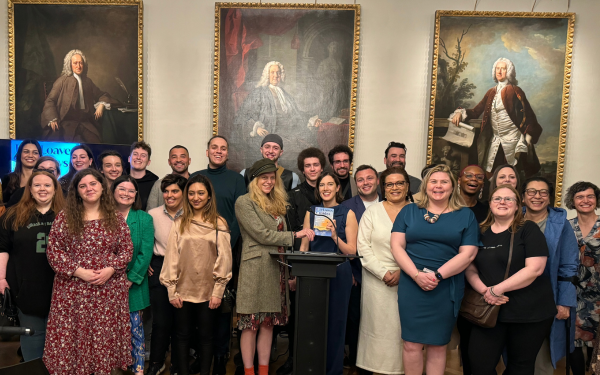
Last night's evening at Portcullis House, parliament's extension building along the road, was very pleasant, despite the purpose of the event. The Learning Disability Coalition was launching their report
'Tell it like it is', the results of a survey of people with a learning disability and their carers.
The report comes up with unsurprising results, very many people have experienced cuts across the board. There were however some positives, Direct Payments and Individual Budgets had done some good, along with free bus passes. The cuts to support for employment should worry the minister, given the central place jobs will have in Valuing People Now.
Continue reading "Learning Disability Coalition launch: hobnobbing & name dropping" »

By Peter Corser
Social workers must hide their emotions in the cause of non-judgemental practice. But they don't have to "like" their clients...
Continue reading "Do social workers have to 'like' their clients?" »

Social care needs plans but we should subordinate them to the realities of being human - after all we can't all hit our targets.
By Nigel Leaney
Continue reading "Plans and targets: remember the human factor" »

by Peter Beresford
Something rather worrying currently seems to be happening to personalisation. It's unlikely that many social care managers or professionals have managed to avoid this terms in 2008. This hideous piece of jargon has increasingly crept into our consciousnesses. But that's not the problem that concerns me.
Continue reading "Personalisation, practice and opening up the debate" »
By Jennifer Harvey
A flick-through of the newspaper obituaries marks the start of George's day. But it is in the evening that he really lets rip...
Continue reading "Autism: a day in the life of George" »
by Steve Sadler
Telecare was once seen as science fiction. But today, its use has helped adults to live safer, more independent lives
Continue reading "Tomorrow's world today" »
  by Simon Heng
Why is there money to bail out banks and build battleships but no cash to pay informal carers well and fund adult care properly?
Continue reading "Dear Gordon Brown..." »